Is Weight Loss Different for Men and Women?
For couples who go on diets at the same time, it’s a common cliche that the male partner quickly drops 10-15 pounds from a few small changes, while the woman struggles to even get a toehold on weight loss on a far more strict version of the diet.
There are some reasons that weight loss can be simpler for men (more on this later), but if weight management were truly so easy for half our population, why are obesity rates roughly the same for men and women? Statistically speaking, women are no more likely to be overweight or obese than men are. Men have struggles with weight and with body image, too!
In this article, I’ll be exploring what is different for men and women for weight loss, but I’ll also be sharing what is the same! I will also be using my absolutely stellar client, Jonathan, as a successful case study for weight loss for men.
Is Weight Loss Really Easier for Men?
Statistically speaking, men tend to be physically bigger than women and have more muscle mass per pound of bodyweight (of course, we’re comparing similar men and women). This means that men tend to have higher, faster metabolisms than women (i.e., they burn more calories each day), because their body is bigger and takes more calories to maintain. For example, most men can eat 2000-3000 calories per day without weight gain, whereas that level of intake would cause many women to gain weight.
(Plus, men don’t have menstrual cycles with hormonal fluctuations that cause unexpected cravings, water retention, and other unpleasant curve balls for weight loss goals.)
But, as I said before, it’s not as though men don’t struggle with weight, because they definitely do – because it’s all relative! Weight can affect men’s confidence just as much as for women,, and perhaps their health even more. This is because for men, obesity tends to concentrate itself especially on the waistline, which is the most problematic for health risks.
In my experience, men particularly struggle with weight loss for many reasons, but these would be a few top causes…
Aging
Aging for both men and women encourages a decline in muscle mass. Although men tend to have more muscle than women, they are still metabolically affected by this reduction in lean body mass. Statistically speaking, men may be more likely than woman to have a history with resistance training, but they still have to focus on it in their 40’s and beyond to keep lean muscle loss at bay.
Social Pressure to Eat and Drink Heavily
Men can face social pressure to eat and drink heavily – especially in some sociocultural situations, “dieting” (or being careful about what you eat at all) is seen as a distinctly female activity, and is not an acceptable male behavior. I have personally seen food bullying in action between adult men, and it’s not a good look. But it does happen, and it can make some men hesitant to make more thoughtful food selections or to reduce alcohol intake for fear of drawing attention to themselves.
Sharp Decline in Physical Activity
Physical activity declines throughout adulthood for both men and women, but this is particularly impactful for men who played sports – the decrease is even more dramatic because the “high” was so high. Active young men can eat an almost unfathomable amount of food, and they might not learn to eat healthfully or be aware of dietary guidelines. This catches up with them later when they’re not burning thousands of calories a day at sports practices. In other words, they stop exercising, but keep eating with the same habits.
Low Testosterone Feedback Loop
Just as for women, hormones can play a role for men, too, and can have a “vicious cycle” effect where a pattern takes hold and gets worse and worse. For men, the issue is low testosterone – while a slight decrease in testosterone is a normal part of aging, it can be dramatically exacerbated by being stressed out, overweight, and inactive. And then the feedback loop begins – the low testosterone makes it easier to gain body fat, and then the increased body fat affects testosterone levels, and so on.
For men, aiming for the sustainable ideal of about 10%-20% body fat means creating achievable and realistic exercise habits, figuring out the right amount of calories for a healthy weight, and making supportive lifestyle changes like getting more sleep and reducing work stress. The numbers may be slightly different for women, but most of the behaviors are the same.
I have had a few male clients who have had extraordinary success with arresting and reversing weight gain in mid-life, but today I’m going to showcase my most recent example, Jonathan. He is 40, and is a professional tennis coach who (like many of us) has had ups and downs in his weight and athletic performance throughout adulthood. But he came to me this year wanting to get control of his fitness and leanness, and we developed an extremely personalized plan that created immediate – and dramatic – results. Here’s his story in his own words!
Client Success Story: Jonathan
I have my own tennis coaching business, and I am the tennis coach at a private high school. As someone that trains with my athletes everyday, I am looking to make sure my body is in elite physical condition and my nutrition is on point. I want to perform and set a good example for my clients (who are primarily young people).
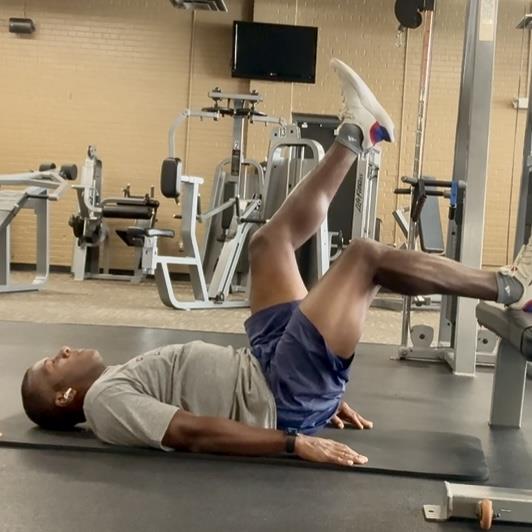
Before working with Rachel one-on-one, I had trouble holding myself accountable consistently over longer stretches of time. I would have good years where I was in shape and happy with my body, and bad years where I gained a lot of weight and worked out sporadically. I reached out because I liked the idea of having continuity in my diet and training, as well as the external accountability.
One of the main things that changed about my mindset after we started working together is the idea of pushing myself to new levels in the gym. In the past, I would go long stretches where I worked out without increasing weight or difficulty. I have been surprised with how much stronger I’ve gotten in such a short amount of time. I have been making huge strength gains without feeling like I’m over-working. I pay attention to detail and push for improvements weekly – not just focusing on consistency.
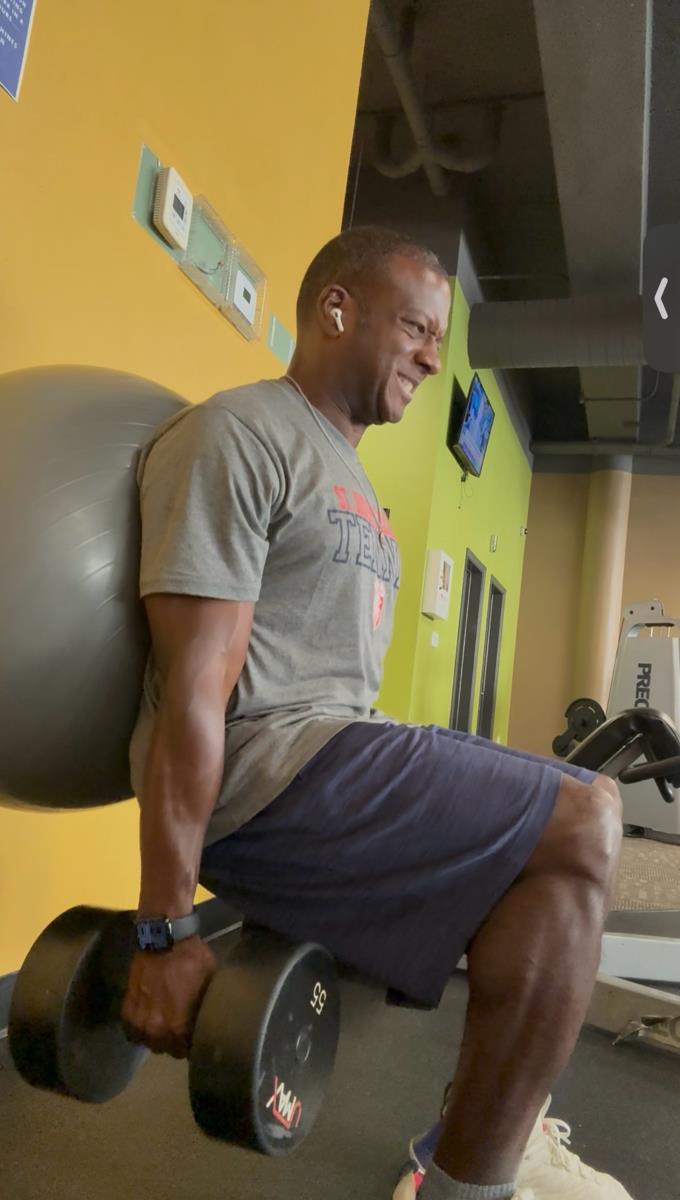
The other thing (not sure this is really a result, more of a pleasing revelation) is that I have more control over my weight and muscle gain on a week-to-week basis. Meaning, I can manipulate the diet to make the body do different things. I never had that type of approach before. Traditionally it would just be: eat less, lose weight.
Rachel here – because Jonathan is highly active and athletic, we have had phases in his dieting journey. The first phase was quickly losing the excess weight around his mid-section that was putting him in the “overweight” category and probably affecting his health at 40. But once he hit about 16% body fat, we switched strategies to cyclical dieting with weekly refeeds because he was getting leaner – in my opinion, too lean to sustain a constant, draining deficit. We changed his workouts to match the pattern, too. This scientific, personalized approach to fat loss works much better than basic “eat less, move more” advice (especially for overall leaner people).
My entire wardrobe is accessible again because I’ve dropped the weight around my stomach very quickly. When I was at 180 pounds, Rachel gave me a plan to follow that covered both workouts and nutrition, and she said that in five weeks I would be down to 170 and would feel much better about the way I looked and how my clothes fit. At the end of the period I did get down to 170. When I was on my way to a football game, I was looking for some shorts to go with the shirt I was wearing. I pulled out a pair of shorts I really like but haven’t worn in over a year or so because they didn’t fit. I slipped into them easily and comfortably. That experience gave me confidence that whatever I want to do with my body I can do it, and I can set a specific timeframe to get it done.
It doesn’t have to be just something that “someday” happens. That is very reassuring.
Rachel here again – like I said, weight loss is much more predictable than men than for women. You can really compare week-to-week instead of month-to-month (which is more helpful for women). But weight loss is also more predictable when people follow instructions, dot every “i” and cross every “t,” and deliver! And this was Jonathan – he did literally everything I said to do, and he got the results we expected!
If I could give anyone advice with a busy life that wants to improve their nutrition, fitness, or self-care in general, it would be to stop wasting time making mistakes that other people with knowledge and experience can help you avoid. Just get the coaching so you can get what you want and have peace of mind and the ability to put your valuable energy elsewhere. I think the most gratifying thing about our work together is that I don’t have to put any mental energy into the planning. I just wake up and do whatever the plan says, knowing I will get the result. Being able to put my mental effort somewhere else and have my nutrition and fitness on autopilot is a huge deal for me.
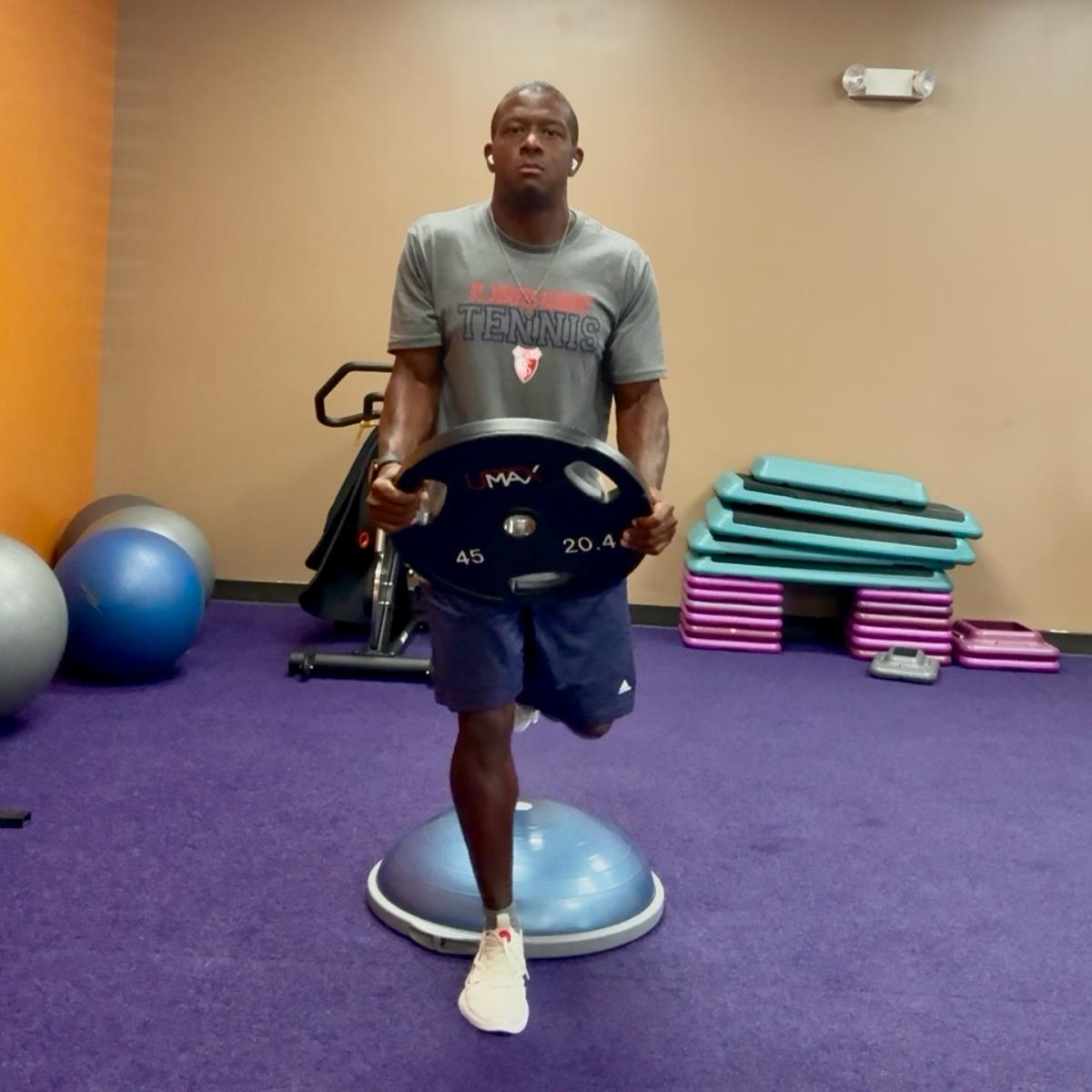
Rachel here again – absolutely agree here! There is no point in reinventing the wheel, and it’s also important to remember that it’s hard to be objective about yourself. Even coaches need coaches sometimes.
This has been an outstanding service for me. As an athlete I was looking for somewhere that I could get training and nutrition instruction in one place. Rachel’s service is easy to use, it’s gotten me stronger than I’ve ever been in a shorter amount of time than I expected, and the weight loss goals were achieved in the time frame that she promised during our conversations. The other great thing about this service is the access to Rachel to ask questions or troubleshoot when needed. She is prompt and the answers are well thought out and useful. I would recommend this service to anyone who is serious about improving their fitness, nutrition, and general health.
Jonathan has now lost almost 20 pounds in about 2.5 months, and has gone from 24% body fat to 16% body fat, and our next goal is to get between 10%-14% and then maintain it! As with all my clients, we’re not just focusing on losing weight – we’re also looking out for life patterns that have caused weight regain in the past. So once we are at a point where initial fat loss and fitness goals have been achieved, we’ll be working on maintenance, troubleshooting, and new athletic goals!
Conclusion
I hope that, from reading this blog post, you’ve not only picked up tips from Jonathan’s story, but have also developed a better understanding of weight loss for both men and women. Men and women face many of the same obstacles to healthy living that we all do – the effects of aging, the lack of support form the standard American diet, as well as stressful schedules that make exercise habits difficult to maintain. The goal of coaching is to create your own personalized approach that can’t be boiled down to a “bestseller” diet, but instead fits your life and your unique body, history, and lifestyle needs.
Interested in getting a personalized plan like this? Fill out this form to get a free consultation. While I work mostly with women, if you are a man or want to refer someone, use this form to get in touch and see if we’re a good fit – I do take male clients!